Jennifer Rokaya Sedgewick
Transformative Consumer Research Through Community-Oriented Approaches
About Me
I’m a PhD Candidate (prospective defence date: spring 2026) in marketing at the Schulich School of Business at York University in Tkaronto/Toronto. Integrating my background in psychology, I am currently studying the social and consumption-based consequences of cultural (mis)representation.
Although my formative years in conducting research were guided by studying personal curiosities into everyday phenomena, such as how we assess the aesthetic qualities of artworks, my approach has shifted to a community-oriented focus since working with an Indigenous health research team that employs participatory action research. After seeing how research led to tangible change, such as the implementation of health promotion programs to support rural Métis diagnosed with cancer (e.g., Métis Nation – Saskatchewan’s Medical Travel Assistance Program and Planner for Métis Cancer Patients), my own projects are informed by issues of importance to Métis or to Indigenous Peoples in Canada more broadly. Humility is central to community-oriented research and is a value that I intentionally aim to weave throughout my teaching, academic service, and personal life.
I’m a proud Michif/Métis person (citizen of Métis Nation – Saskatchewan) and have spent most of my life on the Prairies in Treaty 6 and the Homeland of the Métis. I am currently living in and grateful to be in Tkaronto, the territories of the Mississaugas of the Credit, the Anishinabeg, the Chippewa, the Haudenosaunee, and the Wendat Peoples.
-
PhD Candidate in Business Administration, Schulich School of Business - York University
Area: Marketing
Master of Arts - Psychology, University of Saskatchewan
Specialization: Cognition and Neuroscience
Bachelor of Arts (Honours) - University of Saskatchewan
Major: Psychology
Bachelor of Arts (4-year) - University of Saskatchewan
Major: Studio Art
-
Salary Awards & Fellowships
Joseph-Armand Bombardier Canada Graduate Scholarship ($105,000); Social Sciences and Humanities Research Council of Canada
Canada Graduate Scholarships – Masters ($17,500); Natural Sciences and Engineering Research Council of Canada
Ontario Graduate Scholarship ($15,000); Government of Ontario
Academic Honours & Awards
PhD Leadership Award in Research and Community Building, Schulich School of Business, York University (2024, $3,000; 2022, $5,500)
CN Graduate Award in Indigenous Business and Leadership ($2,500), Beedie School of Business, Simon Fraser University
Article on the list of most influential articles in the American Academy of Advertising’s journals in 2019, American Academy of Advertising
Graduate Master’s Thesis Award ($500), University of Saskatchewan
Certificate of Academic Excellence for Best Master’s Thesis, Canadian Psychological Association
-
Laboratory Manager
NOESIS Consumer Behaviour Lab, Department of Marketing, Schulich School of Business, York University
Details: I ran the marketing participant pool using the Sona Systems platform and managed the research lab. This includes coordinating with marketing instructors, student participants, and researchers in addition to scheduling and supervising RAs and maintaining the physical lab space
Research Assistant
Department of Community Health & Epidemiology, University of Saskatchewan
Details: Full-time position with Dr. Gary Groot and Dr. Tracey Carr’s team conducting patient-oriented research to improve supports for Indigenous Peoples affected by cancer. Tasks included writing research grants, conducting research (e.g., an environmental scan), and disseminating research via scholarly outlets, industry reports, and knowledge translation products (e.g., stakeholder engagement newsletters)
Graduate Research Assistant
Social Sciences Research Laboratories, University of Saskatchewan
Details: Contract position through the Experimental Decision Laboratory entailed running participants through various measurements (e.g., eye-tracking) and platforms (e.g., z-Tree, PsychoPy), conducting statistical analyses, and writing reports for researchers and industry-based clients
Site Manager of Canada Naturalistic Driving Study
Details: Managed two longitudinal studies examining behaviours of 1) light vehicle, and 2) commercial truck drivers via the Department of Human Factors from Virginia Tech Technological Institute. Duties included preparing Canadian REB and American IRB ethics applications, recruiting and running participants from ages 18-80, and performing data acquisition maintenance


“Humility is not a feeling
it is a standard by which to assess your actions”
— Ambelin Kwaymullina (Palyku)

Taking an unconventional approach to knowledge mobilization, or, “guerilla conferencing”

My peers of Indigenous PhD students in Canadian business schools at our second annual gathering in Treaty 6 (Alberta School of Business, University of Alberta)
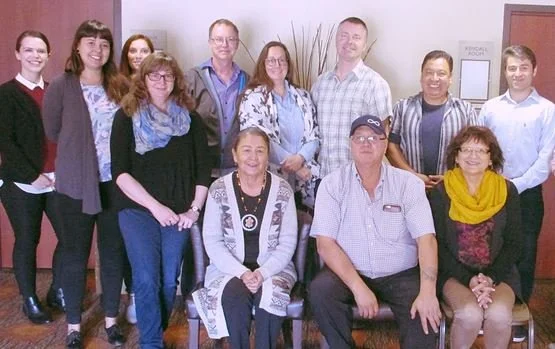
Collaborators in the Indigenous health project, Sâkipakâwin (Sprout): Scholars, Elders, community members, and representatives of the SK Cancer Agency
Research
My scholarly journey is markedly eclectic, with training and publications in marketing, community health, and psychology across both experimental and qualitative research and encompassing Western and Indigenous methodologies. What unifies my work across these disparate disciplines and approaches is embedded in my research identity:
Research Interests: Broadly, my research examines social and systemic issues that affect Indigenous Peoples in Canada (i.e., First Nations, Métis, and Inuit)
Transformative Approach: My specific research topics are guided by issues of importance to Indigenous Peoples and are action-oriented to inform and galvanize policy and organizational change (e.g., Indigenization initiatives). This work is driven by my commitment to social equity and sense of responsibility to both my Indigenous academic community and place-based community as a Métis scholar (citizen of Métis Nation–Saskatchewan)
Methodological Paradigm: The methodology and methods I use in a project are based on two considerations: 1) Relevance to the participant population such that methods are culturally relevant (e.g., Indigenous research methods with Indigenous participants), and 2) Relevance to stakeholders, ensuring that the methodology (e.g., positivist or interpretivist paradigms) is aligned with the type of evidence most likely to be endorsed by stakeholders and consequently implemented into policy and practice
-
Roy, E., […] Sedgewick, J. R., […] Lai, C., & Axt, J. (In press). A contest study to reduce attractiveness-based discrimination in social judgment. Journal of Personality and Social Psychology.
Diaz Vega, M., Marques Santos J. D., Witham, S., Friesen, M., Brock, T., Laroque, S., Sedgewick, J., Carr, T., Groot, G. (2024). Cancer prevention and cultural continuity for Métis Peoples in Canada: A scoping review. Current Oncology, 31(7), 3908-3922.
Williams, D. E., Sedgewick, J. R., & Caulfield, J. (2021). Looking backwards to move forwards: Assessing the informativeness of mobile shoppable video. The International Review of Retail, Distribution and Consumer Research, 31(2), 150-181.
Sedgewick, J. R., Ali, A., Badea, A., Carr, T., & Groot, G. (2021). Service providers’ perceptions of support needs for Indigenous cancer patients in Saskatchewan: A needs assessment. BMC Health Services Research, 21(1), 1-12.
Carr, T., Arcand, L., Roberts, R., Sedgewick, J., Ali, A., & Groot, G. (2020). The experiences of Indigenous people with cancer in Saskatchewan: A patient-oriented qualitative study using a sharing circle. Canadian Medical Association Journal Open, 8(4), E852.
Carr, T., Sedgewick, J. R., Roberts, R., & Groot, G. (2020). Understanding Indigenous cancer stories using sharing circles. Sage Research Methods Cases. 1-11.
Smith, A., Sedgewick, J. R., Weiers, B., & Elias, L. J. (2019). Is there an artistry to lighting? The complexity of illuminating three-dimensional artworks. Psychology of Aesthetics, Creativity, & the Arts, 15(1), 20-27.
Sedgewick, J. R.,Holtslander, A., & Elias, L. J.(2019). Kissing Right? Absence of rightward directional turning bias during first kiss encounters. Journal of Nonverbal Behavior, 15(1), 20-27.
*Phillips, B. J., *Sedgewick, J. R., & *Slobodzian, A. (2018). Spokes-characters in print advertising: An update and extension. Journal of Current Issues and Research in Advertising, 40(2), 214-228. *Equal first-authorship
-One of the most influential articles from the American Academy of Advertising’s (AAA) journals in 2019
Sedgewick, J. R., Flath, M. E., & Elias, L. J. (2017). Presenting your best self(ie): The influence of gender on vertical spatial orientation of selfies on Tinder. Frontiers in Psychology. 8, 1-9.
Sedgewick, J. R., & Elias, L. J. (2016). Family matters: Directionality of turning bias while kissing is modulated by context. Laterality: Asymmetries of Body, Brain, and Cognition, 21(4-6), 1-10.
*Second-most viewed article in the journal
Sedgewick, J. R., Weiers, B., Stewart, A., & Elias, L. J. (2015). The thinker: Opposing directionality of lighting bias within sculptural artwork. Frontiers in Human Neuroscience, 9(2), 1-12.
Articles Under Review
The Outcomes of Indigeneity Fraud on Organizations, Society, and Business Scholarship. Sedgewick, J. R. First round of revisions at Business & Society (R&R August 7, 2024).
Book Chapters
Steinfield, L., Holt, D., Giliberto, F., Alcoforado, D., Alhanouti, R., Beudaert, A., Gallage, S., Newbery, R. Sedgewick, J.R., Sredl, K., Venkatraman, R., Venugopal, S., & Weaver, J. (2024). Developing transformative consumer research methods and engagements for hard-to-reach populations. Proceedings of Track 1.6: Transformative Consumer Research Conference 2021. doi.org/10.48785/100/193
Sears, K., Rotter, T., Sedgewick, J. R., & Medves, J. (2018). Improving patient and nurse safety: Learning from past experiences. Fundamentals: Perspectives on the Art and Science of Canadian Nursing.
-
Sedgewick, J. R. (2024, May). The outcomes of Indigeneity fraud on organizations, society, and business scholarship. Presented at the Prairie Consumer Behaviour Symposium, Saskatoon, SK.
Sedgewick, J. R. (2024, May). Examining the effects of ethnic fraud on consumer judgments. Presented at the Prairie Consumer Behaviour Symposium, Saskatoon, SK.
Sedgewick, J. R. & Steele, J. (2023, June). Examining the effects of historical imagery on Indigenous stereotypes. Accepted for the Canadian Psychological Association’s Annual Convention, Toronto, CA.
Sedgewick, J. R. (2023, June). Examining the downstream consequences of cultural identity appropriation. Presented at the AMA-Sheth Foundation Doctoral Consortium, Oslo, NO.
Sedgewick, J. R. (2021, June). Engaging Indigenous populations for consumer research in a Canadian context. Academy of Consumer Research’s Transformative Consumer Research Virtual Dialogical Conference in the “How to engage hard-to-reach populations” track.
Sedgewick, J. R., one of 16 presenters (2021, June). The final report of the national inquiry into missing and murdered Indigenous women and girls: Canadian psychology responds. Presented on how the CPA can address Call for Justice #6.1. Canadian Psychological Association Virtual Convention.
Sedgewick, J. R., Hrenyk, J., Carter, T., Pomart, P. (2021, February). Experiences of Indigenous business PhD students. Panelist at the Emerging Themes in Indigenous Business Conference, virtually hosted by the Asper School of Business at the University of Manitoba.
Sedgewick, J. R., Ali, A., Carr, T., & Groot, G. (2020, November). Service provider perspectives of Indigenous patients’ cancer care needs. The Indigenous Health Research session of the Saskatchewan Health Research Showcase.
Sedgewick, J. R. (2020, February). Presented research on the topic of cultural appropriation for the session “Métis student research panel”, Gabriel Dumont Institute’s 40th Anniversary Conference, Saskatoon, SK.
Sedgewick, J. R. & Elias, L. J. (2018, June). Kissing right: Lateral turning direction of kissing couples influences perceptual evaluations and consumer judgements. International Congress of Applied Psychology, Montreal, CA.
Sedgewick, J. R. & Elias, L. J. (2017, June). Look on the bright side: Associations between the element of value and vertical orientation. Canadian Society for Brain, Behaviour, & Cognitive Sciences, Regina.
Sedgewick, J. R. & Elias, L. J. (2017, May). Directionality of lateral turning bias in advertisements influences consumer judgments. Rupert’s Land Consumer Behaviour Symposium, Regina, CA.
Sedgewick, J. R., Flath, M. E., & Elias, L. J. (2017, May). Presenting your best self(ie): Gender differences for the vertical orientation of self-portraits on Tinder. The Rupert’s Land Consumer Behaviour Symposium, Regina, CA.
Sedgewick, J. R., Smith, A., & Elias, L. J. (2017, February). Native reading direction modulates lateral lighting biases for 3-dimensional stimuli. Poster presented at the International Neuropsychological Society Annual Meeting, New Orleans, USA.
Phillips, B. J., Sedgewick, J. R., & Slobodzian, A. (2016, May). Spokes-characters in print advertising: An update and extension. Presenting author, Rupert’s Land Symposium, Saskatoon, CA.
Sedgewick, J. R. (2015, February). Practice makes progress: How perfectionism can impede creativity and methods to promote creative flow. University of Saskatchewan Student Leadership Conference, Saskatoon, CA.
Sedgewick, J. R. (2014, April). The influence of pseudoneglect on lighting preferences of sculptural artworks. Presented at the University of Saskatchewan’s annual Psychology Undergraduate Student Conference, Saskatoon, SK.
Sedgewick, J. R., Neufeld, C., Bristol, A., Ankunda, L., & Morrison, M. (2013, April). Decreasing prejudice toward Canadian Aboriginal persons through imagined intergroup contact. Presented at the University of Saskatchewan’s annual Psychology Undergraduate Student Conference, Saskatoon, SK.
Sedgewick, J. R., Brent, S., & Arcand, J. (2013, April). The influence of lateralization on tattoo placement preference. Poster presented at the University of Saskatchewan’s annual Psychology Undergraduate Student Conference, Saskatoon, SK.
-
Sedgewick, J. R. (2020). Video summary of article “Spokes-characters is print advertising: An update and extension” listed among the most influential articles in the American Academy of Advertising’s journals for 2019. YouTube video from the AAAs communication channel. [Link].
Sedgewick, J. R., Carr, T. Groot, G. (2020, June). Needs assessment by service providers for Indigenous cancer supports in Saskatchewan. Summary report provided to the Saskatchewan Health Authority and Saskatchewan Cancer Agency.
Sedgewick, J. R., Carr, T. Groot, G. (2019, November). Sâkipakâwin: An environmental scan of provincial cancer supports for Indigenous patients and their families in Saskatchewan. Research report provided to the Saskatchewan Health Authority and the Saskatchewan Cancer Agency.

Ongoing Projects
Spillover Effects of Counterfeit Victims
Status: Data collection (April 2025)
This study examples impact of counterfeit victims (people who feign experiences of hardship for private benefits through financial and organizational resources) on 1) consumer judgments toward the brand, 2) attitudes toward CSR initiatives (e.g., diversity, equity, and inclusion), and 3) attitudes toward the victimized group

Indigeneity Fraud as Institutional Maintenance
llustrated through a conceptual framework, I demonstrate that under the guise of institutional change (isomorphism) to promote Indigenization, organizations using self-ID for Indigenous-specific initiatives effectively maintain the status quo (i.e., institutional maintenance)
Status: Completing first-round revisions for Business & Society

Promoting Métis Health Through Cultural Continuity
Creating a Métis cultural continuity framework that can be used as a tool to apply to other Métis communities
Framework informed from narrative analysis of interviews conducted with Métis in a community that has successfully maintained cultural continuity
Status: Distributed to collaborating stakeholders for revisions and approval for submission
Teaching
I’m passionate about preparing my students for a changing society, and I do so by incorporating timely real-world examples that are relevant to and resonate with my students.
Recognizing that how I teach is equally if not more important than what I teach in the classroom and that how ideas are delivered and engaged affects our ability to understand and appreciate them, I am constantly exploring and updating how I can best deliver my courses to create effective and safe learning environments that enable my students to thrive in both in-person and virtual settings.
I invest in making the most of the time that I spend with my students and ensure that my teaching gives them the tools and knowledge that they need to continue to explore ideas beyond the classroom and develop as members of society.
-
Undergraduate Course Instructor
Introduction to Marketing (MKTG 1030); Schulich School of Business, York University
Winter 2022
Fall 2022
Guest Lecturer
Department of Marketing, Schulich School of Business, York University
Marketing Research (MKTG 3100)
Class topic: Experimental design
Department of Psychology, University of Saskatchewan
Course: Human Neuropsychology
Class topic: The Neuropsychology of Human Attraction
Course: Perception and Attention
Class topic: The Neuropsychology of Aesthetics
Graduate Teaching Assistant
Department of Psychology (unless stated otherwise), University of Saskatchewan
Fall 2017: Skills for Academic Success (Edwards School of Business)
Summer 2017: Human Neuropsychology
Winter 2017: Perception and Attention; Clinical and Counselling Psychology
Fall 2016: Advanced Human Neuropsychology
Spring 2015, Fall 2015, Spring 2016: Biological and Cognitive Bases of Psychology
-
Pedagogical Tools
Synthesis Review Toolkit
Saskatchewan Centre for Patient-Oriented Research; College of Medicine, University of Saskatchewan
Supervisor: Dr. Catherine Boden
Details: In collaboration with subject librarians, I created an online, interactive guide for researchers about how to conduct each stage of a synthesis review (e.g., scoping reviews, meta-analysis). [Link].
Teaching-related Community Outreach
Guest Lecturer
Schulich School of Business Excellence Academy
Class topic: Introduction to Marketing
Details: Summer business education program for Black and Indigenous high school students in Ontario
Science Ambassador
Science Ambassador Program, University of Saskatchewan
Details: Throughout a 6-week program, I provided culturally relevant and hands-on science activities to students from kindergarten to grade 12 in the Métis community of Île-à-la-Crosse, Saskatchewan
Science Outreach Instructor
Nutrien Kamskénow Program, University of Saskatchewan
Details: Led activities on science and mathematics in Saskatoon’s community schools through this NSERC-funded, award-winning (the Global Best Awards) outreach program
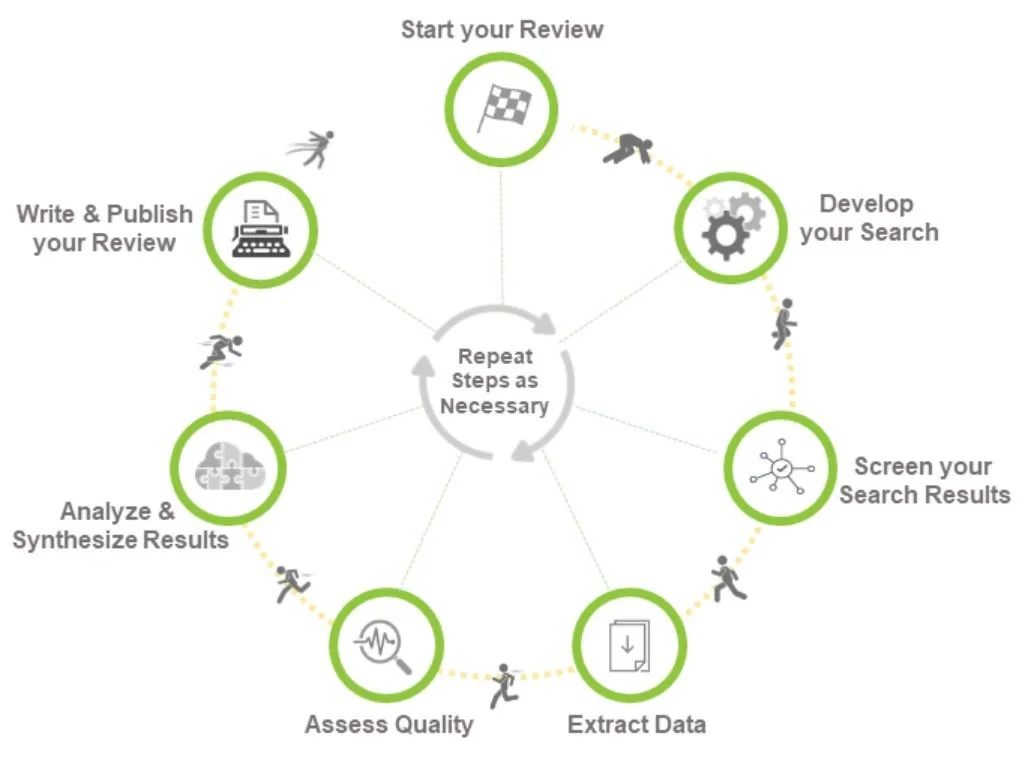
A graphic from the Synthesis Review Toolkit website that I designed and developed with subject librarians at the University of Saskatchewan for the Saskatchewan Centre for Patient-Oriented Research (SCPOR)
DEI-Related Outputs
Environmental Scan of Supports for Indigenous Business Students
Conducted an environmental scan of Indigenous business student supports at Canadian business schools to inform the Schulich School of Business’s DEI working group of potential future supports
Please contact for document
Educational Resources for Business and Psychology Instructors
I created a list of resources regarding Indigenous Peoples in Canada for the DEI committee at the Schulich School of Business and the Canadian Psychological Association after both groups cited a need for “Indigenous 101” resources
Initiated to support particularly first-generation university students in the esoteric process of grant writing, I created a repository containing informational resources and a collection of successful master’s, PhD, and postdoctoral Tri-Council research proposals
Tri-Council Scholarship Repository
Please contact for link to repository
Beyond Academia
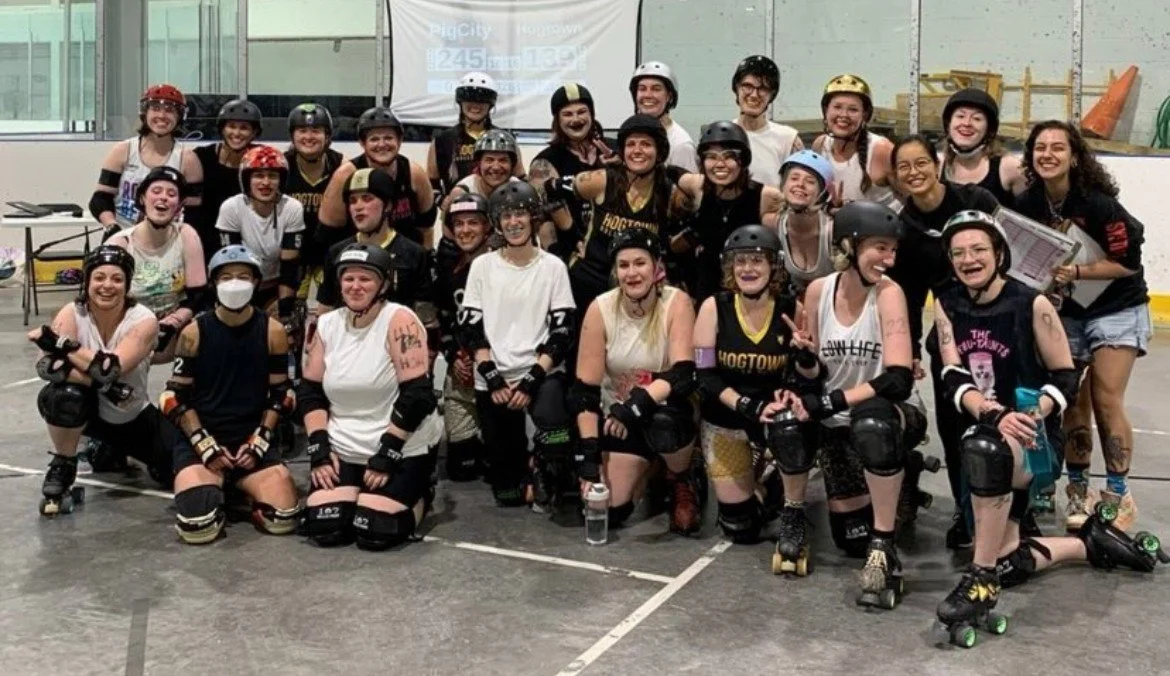
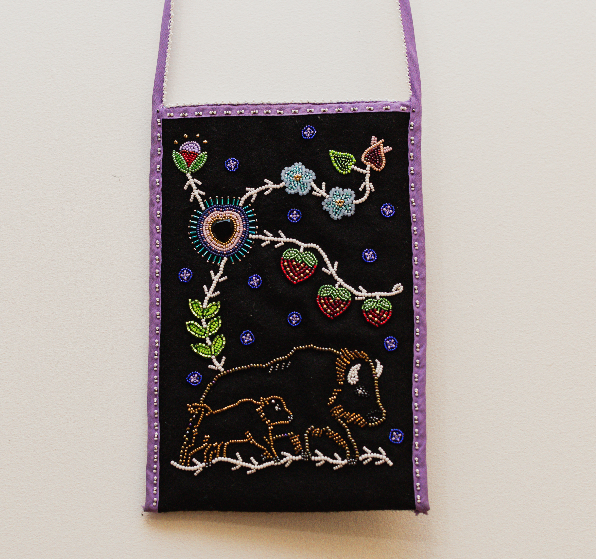
Among my favourite pastimes include exploring thrift shops and used bookstores, playing competitive roller derby, and maintaining my practice as a beadwork artist and entrepreneur under the name Second Love Beads.
Second Love Beads is inspired by my very road allowance Métis practice of “up-cycling”, as I predominantly make items such as jewellery, bags, and moccasins with deconstructed second-hand items (e.g., beads from damaged jewellery and antique purses, thrifted clothing and other fabrics for base materials). I also incorporate caribou hair tufting and tanned fish skin. I was taught fish skin tanning in February 2024 by Leanna Marshall and am upholding the responsibility of passing on the teaching to others in my network of Indigenous artists in Tkaronto.
My beadwork has been exhibited in:
Beaded Nostalgia at the Bill Reid Gallery (Vancouver; curator: Aliya Boubard)
Pe-kīwēwin: Confronting Commercialized Spaces with Stitched Relationality at the Massy Arts Gallery (Vancouver; curator: Dr. Jordyn Hrenyk)
Honouring Our Métis Mothers at the Winnipeg Art Gallery (collective project curated and assembled by Tracy Charette Fehr)

-
![]()
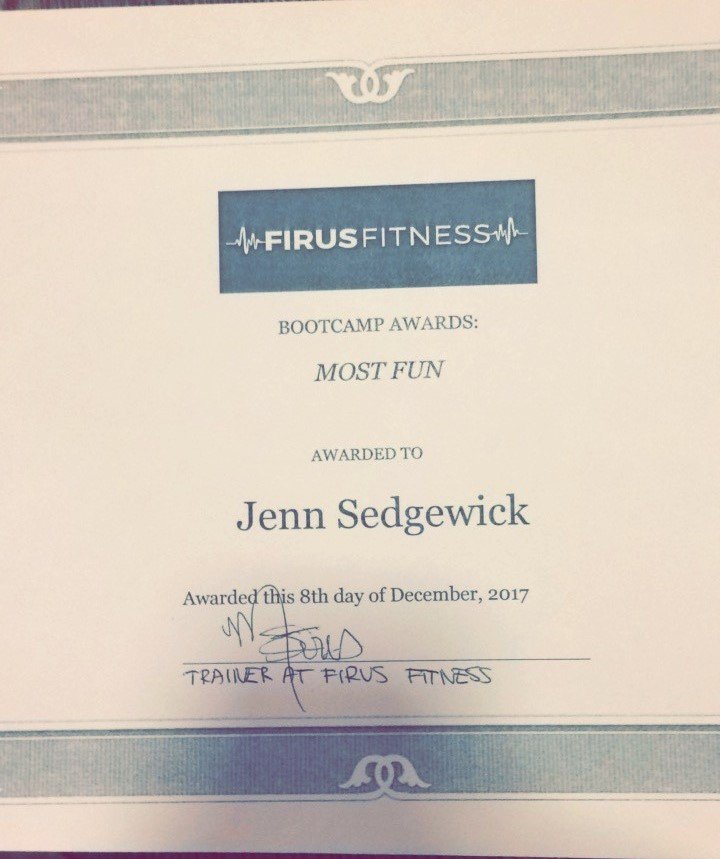
Character evidence
-
![]()
More character evidence
-
![]()
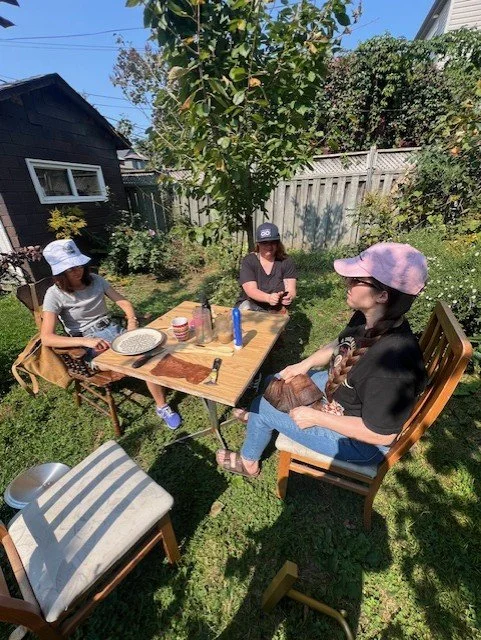
Teaching fish skin tanning
-
![]()
My paternal family's tradition -- mountaintop handstands
-
![]()
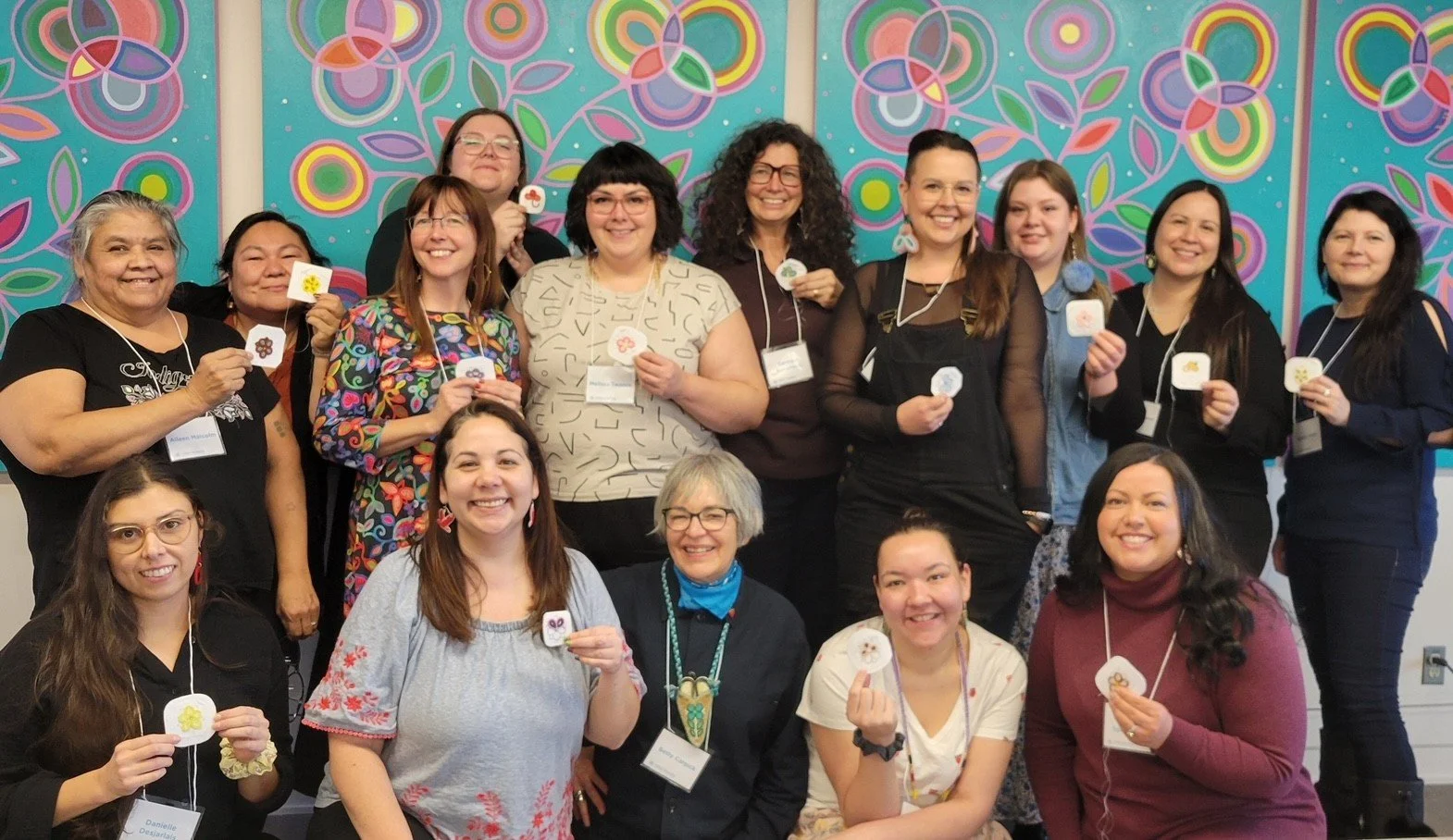
Among Indigenous ingenuity at Aanikoobijiganag: Thunder Bay Beading Symposium
-
![]()
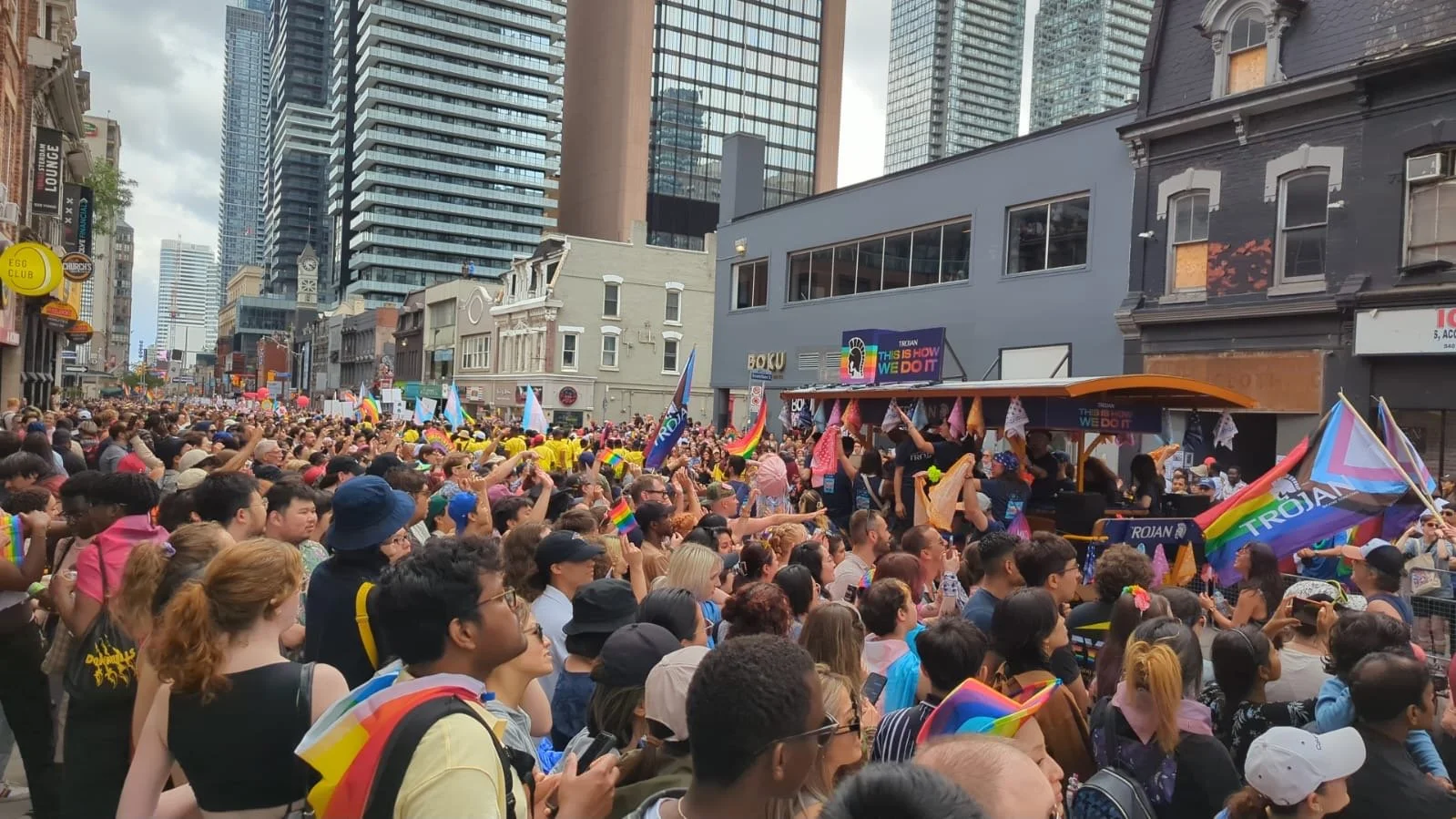
Trans March, Toronto Pride 2024
-
![]()
Proud to be from the Land of living skies
-
![]()
A member of Hogtown Roller Derby.
-
![]()
My roller derby alter ego, Dead Disco.